Trail Running for Beginners: Gear, Technique, and the Best US Trail Races
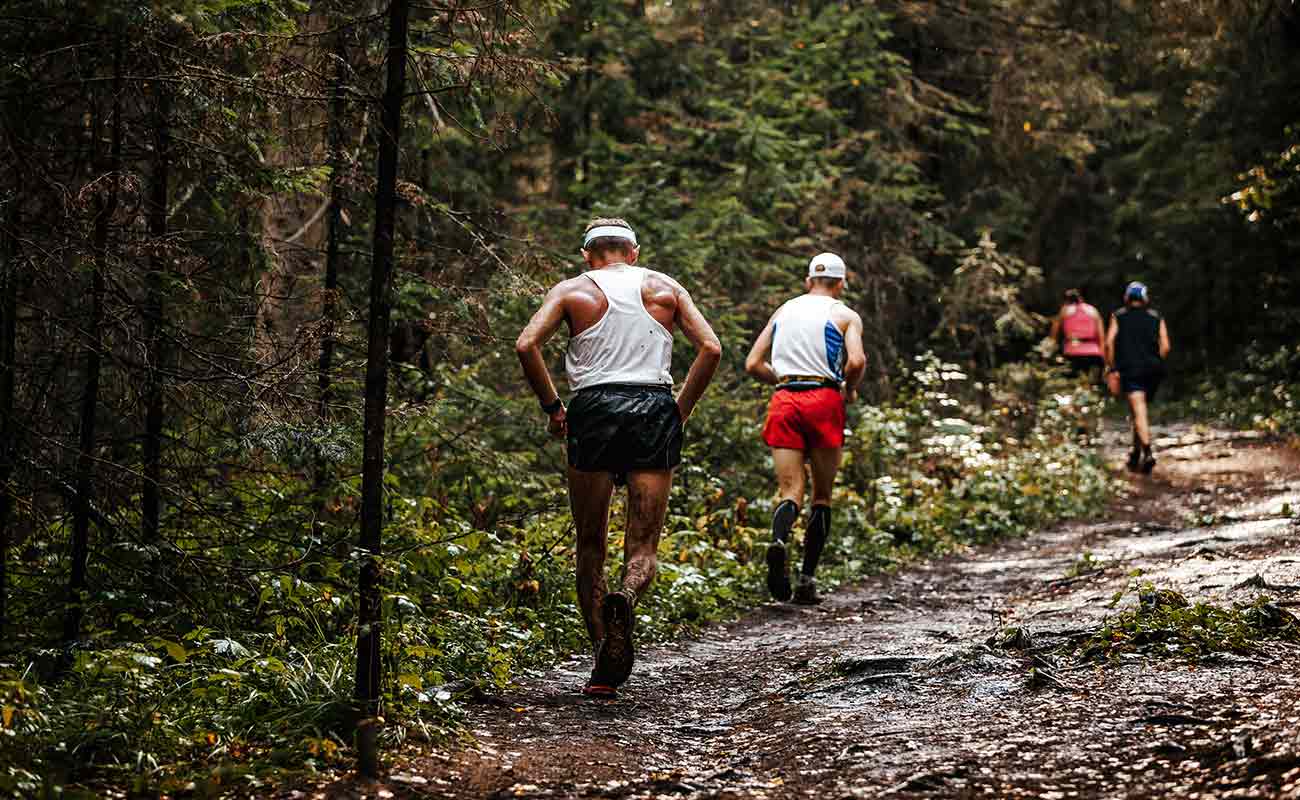
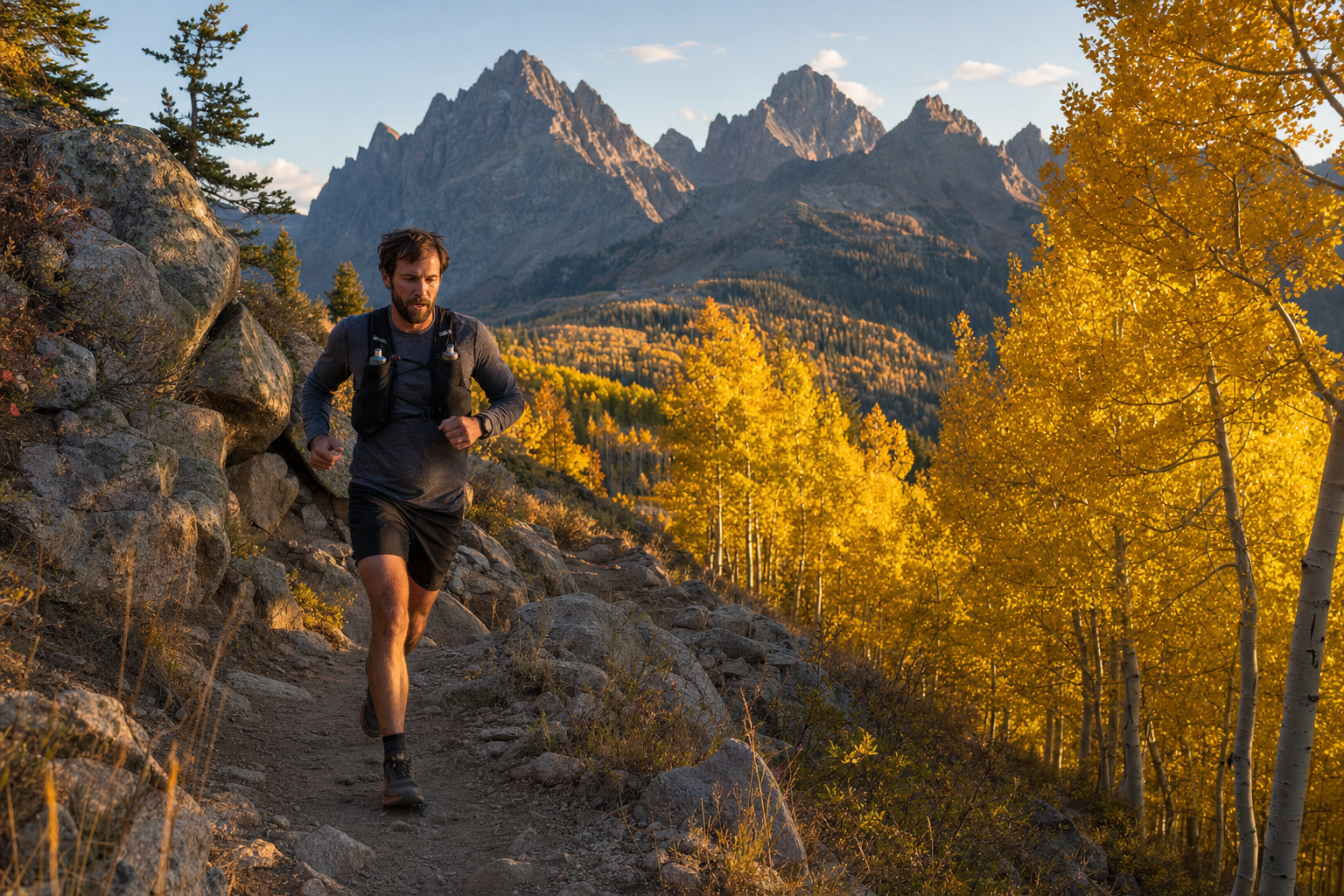
If you’ve been running roads and find yourself curious about what lies beyond the pavement, trail running for beginners is one of the most rewarding transitions in the sport. Trails offer something roads simply can’t: the quiet of a forest, the drama of mountain views, the meditative focus that comes from picking your footing over roots and rocks. But trail running is also a genuinely different discipline — different gear, different technique, different race culture, and a whole new vocabulary of challenges and joys. This guide gives you everything you need to get started safely and confidently.
Why Trail Running? The Case for Leaving the Pavement Behind
Road running is predictable and measurable. Trail running is alive. The constantly changing terrain keeps your mind fully engaged — there’s no zoning out for miles at a time. The softer surface (dirt, gravel, grass, rock) reduces repetitive impact stress compared to asphalt, which can translate to fewer common overuse injuries like shin splints and stress fractures. The hills build strength in muscles that flat road running never touches. And the views — whether a coastal bluff, a high alpine meadow, or a dense forest canopy — have a way of reminding you why you started running in the first place.
Trail running also comes with a famously welcoming community. The culture is less competitive and more communal than road racing. Runners help each other on the course, volunteers know your name, and finishing a trail race — regardless of time — feels like a genuine personal accomplishment.
Essential Gear for Trail Running Beginners
You don’t need a truckload of gear to start trail running, but a few key pieces of equipment make a significant difference in both safety and enjoyment. Here’s what matters most:
Trail Running Shoes
This is the single most important gear upgrade you’ll make. Trail running shoes differ from road shoes in three critical ways: they have aggressive lugs on the outsole for grip on dirt, mud, and rock; a rock plate or firm midsole to protect your feet from sharp stones and roots; and a more protective upper to guard against trail debris. You don’t need the most expensive pair — a solid entry-level trail shoe from brands like Salomon, Hoka, Brooks Cascadia, or New Balance Fresh Foam Hierro will serve you extremely well. Visit a specialty running store and ask to try several pairs on an inclined surface.
Hydration Pack or Vest
On longer trail runs — anything over 60–90 minutes — you’ll need to carry your own water. Trail aid stations are rare outside of organized races, and trails can take you far from any water source. A hydration vest or pack holds 1–2 liters of water in a bladder or soft flasks, plus storage for snacks, a phone, layers, and emergency items. Brands like Salomon, Nathan, and Osprey make excellent options at various price points. Even on shorter trail runs in warm weather, carry at least 16 ounces of water in a handheld flask.
Trekking Poles (Optional, But Helpful for Beginners)
On steep terrain, trekking poles dramatically reduce the effort of climbing and protect your joints on descents. Many beginner trail runners are surprised to see experienced runners hiking steeply technical climbs with poles — this is completely normal and tactically smart. Poles aren’t required for beginner-level trails, but if your local terrain involves significant climbing, consider a lightweight pair from Black Diamond, Leki, or Black Diamond.
Layers and Safety Gear
Trail conditions can change faster than road conditions. Even a sunny morning can turn cold and wet at elevation. Carry a lightweight wind or rain shell on any run over 90 minutes, especially in mountain terrain. Other essentials for longer ventures: a fully charged phone with a downloaded trail map (apps like AllTrails or Gaia GPS are excellent), a small first aid kit, an emergency whistle, and sunscreen. Tell someone your planned route and expected return time before heading out on longer trail adventures.
Trail Running Technique: How to Move Efficiently and Safely
Running on trails requires genuine technique adjustments from road running. The good news is that your body adapts quickly — within a few weeks of regular trail running, your footwork will become more instinctive.
Shorten Your Stride
The most important technical adjustment for trails is reducing your stride length. A shorter, quicker stride gives you more control over your footplacement, makes it easier to adjust mid-stride when you encounter a rock or root, and reduces the risk of catching a toe and falling. Think of it as increasing your cadence (steps per minute) rather than lengthening each step. On technical terrain, your cadence might increase to 180+ steps per minute even as your pace slows dramatically compared to road running.
Look Ahead, Not at Your Feet
Beginner trail runners often make the mistake of staring at the ground directly in front of their feet. Instead, train your eyes to scan 6–10 feet ahead on the trail. This gives you more time to react to obstacles, choose the best footplacement, and maintain forward momentum. Your feet will learn to feel the terrain and react reflexively — trust them.
Walk the Hills (And Don’t Be Embarrassed About It)
Every experienced trail runner hikes climbs. This is not weakness — it’s physics and strategy. Hiking steep uphills is more energy-efficient than running them, especially on long efforts. The energy cost of running a steep grade versus hiking it is disproportionate to the time savings. Power-hike with a strong arm swing, keep your back upright, and push through your quads. Save your running energy for the flat and downhill sections.
Controlled Descending
Downhills are where trail running is most exhilarating — and most risky. Lean slightly forward (not backward — leaning back puts you on your heels and out of control), use your arms for balance, look ahead for the optimal line, and let gravity do the work. Brake with your core and hips, not your knees. Practice on gentle descents before tackling steep technical ones, and build descending confidence gradually over several weeks.
Use Your Arms
On technical terrain and steep climbs, your arms play a much bigger role in balance and momentum than on flat roads. Allow your arms to swing wider and use them actively — they help stabilize your body over uneven ground and power you up steep climbs.
How to Train for Trail Running as a Beginner
The transition from roads to trails is gradual and should be intentional. Here’s a simple approach for your first 6–8 weeks:
- Weeks 1–2: Replace one road run per week with a trail run. Choose well-maintained, relatively flat trails. Focus on time, not pace — trail running is always slower than road running, and comparing paces will only frustrate you.
- Weeks 3–4: Replace two road runs per week with trail runs. Begin introducing mild elevation gain. Practice the technique cues above: short stride, eyes ahead, power hiking uphills.
- Weeks 5–6: Increase trail volume to 50–60% of your weekly running. Explore longer trails. If your local terrain allows, seek out routes with 500–1,000 feet of elevation gain to build trail-specific leg strength.
- Weeks 7–8: Sign up for a beginner trail race — most events offer 5K or 10K distances that are excellent first trail racing experiences. The community atmosphere of a trail race is one of the best motivators to keep exploring the sport.
One important expectation to set: your pace on trails will be substantially slower than your road pace, and that’s perfectly fine. A 9:00/mile road runner might run 11:00–13:00/mile on moderate trails, and even slower on technical or hilly terrain. Use a heart rate monitor or perceived effort rather than pace to measure your trail training intensity.
Trail Running Etiquette
Trails are shared spaces — with other runners, hikers, cyclists, and wildlife. A few basic etiquette rules keep everyone safe and happy:
- Yield to uphill runners: If you’re coming down a trail and meet a runner heading up, step aside and let them pass. Climbing is harder; they’ve earned the right of way.
- Say hello. Trail running culture is friendly. A quick “good morning” or “nice work” as you pass someone is standard practice.
- Leave no trace. Pack out everything you carry in — gel wrappers, water bottles, food packaging. Trails are beautiful because people treat them with respect.
- Stay on the trail. Cutting switchbacks causes erosion and damages the ecosystem. Follow the marked path even when a shortcut looks tempting.
- Know who has right of way. In general: pedestrians yield to horses; cyclists yield to pedestrians and runners; runners yield to hikers on technical terrain. When in doubt, be courteous and step aside.
The Best US Trail Races for Beginners and Beyond
One of the most powerful motivators in any form of running is having a goal race on the calendar. Trail racing has a race for every level — from beginner-friendly 5K fun runs through mountain forests to legendary ultra-distance epics. Here are some of the best trail races in the United States, spanning the spectrum from approachable to iconic:
Beginner-Friendly Trail Races
- Xterra Trail Runs (National Series): The Xterra Trail Run series hosts events at scenic locations across the country, with distances from 5K to 21K. The courses are typically well-marked, the atmosphere is welcoming, and the events are excellently organized — an ideal first trail racing experience. Visit Xterra Trail Run for the full schedule.
- Broken Arrow Skyrace — Lake Tahoe, CA (June): The Broken Arrow Skyrace offers a shorter “Sky 26K” option alongside its longer distances, running through stunning Lake Tahoe terrain with accessible logistics and a vibrant festival atmosphere. An inspiring event for trail runners at any level.
- Moab Trail Marathon — Moab, UT (November): Set amid the otherworldly red-rock landscape of Moab, this event offers both marathon and half marathon trail options. The scenery is extraordinary, the trails are spectacular, and Moab’s November weather makes for excellent racing conditions.
Mid-Distance Trail Classics
- Mt. Disappointment Steelhead 50K/50M — Southern California: A challenging but accessible multi-distance event in the San Gabriel Mountains north of Los Angeles. Well-organized, highly technical in sections, and a true test of trail fitness.
- Zion 100 / Zion 50K — Virgin, UT (April): Set in and around Zion National Park, one of the most breathtaking landscapes in the American West. The 50K option is a challenging but achievable goal for intermediate trail runners. The scenery alone is worth the entry fee.
Iconic US Trail Races (Bucket-List Level)
These races are the legends of American trail running — ultra-distance events that require significant experience, specific qualification, and months of specialized training. They are mentioned here not as beginner goals, but as aspirational targets — the kind of races that give you something extraordinary to work toward as your trail running career develops.
- The Western States 100-Mile Endurance Run is the oldest and most prestigious 100-mile trail race in the world, running from Squaw Valley to Auburn, California through the Sierra Nevada. Entry requires qualification through approved trail races and a lottery. It is the gold standard of American ultra-running.
- The Leadville Trail 100 Run in Leadville, Colorado, is held at altitude with a starting elevation of 10,152 feet and a course that climbs to over 12,600 feet. It is a brutal, humbling, and deeply transformative experience that has built a devoted following since 1983. Entry is by lottery.
- The Pikes Peak Ascent in Manitou Springs, Colorado, offers an extraordinary mountain running challenge on the 14,115-foot Pikes Peak. The Ascent distance (13.32 miles one way to the summit) is a more accessible entry point into high-altitude mountain racing than the full Pikes Peak Marathon, while still delivering an unforgettable alpine experience.
Building Toward Your First Trail Race: A Final Word
Trail running rewards patience, curiosity, and a willingness to slow down and look around. Your first months on trails will be humbling — pace comparisons are irrelevant, your road fitness won’t translate immediately, and you will probably fall at least once (it’s a rite of passage; most trail runners fall and keep running). Embrace all of it. The trail running community is one of the most supportive in endurance sports, and the sport itself will take you to places — physically and mentally — that roads never could.
Start small. Find a local trail. Wear the right shoes. Tell a friend where you’re going. And enjoy every single step. Use the What Race To Run race directory to find trail races near you and explore the full spectrum of trail running events across the United States — from beginner-friendly 5Ks through mountain forest to the legendary ultra-distances that define the sport’s greatest challenges.